


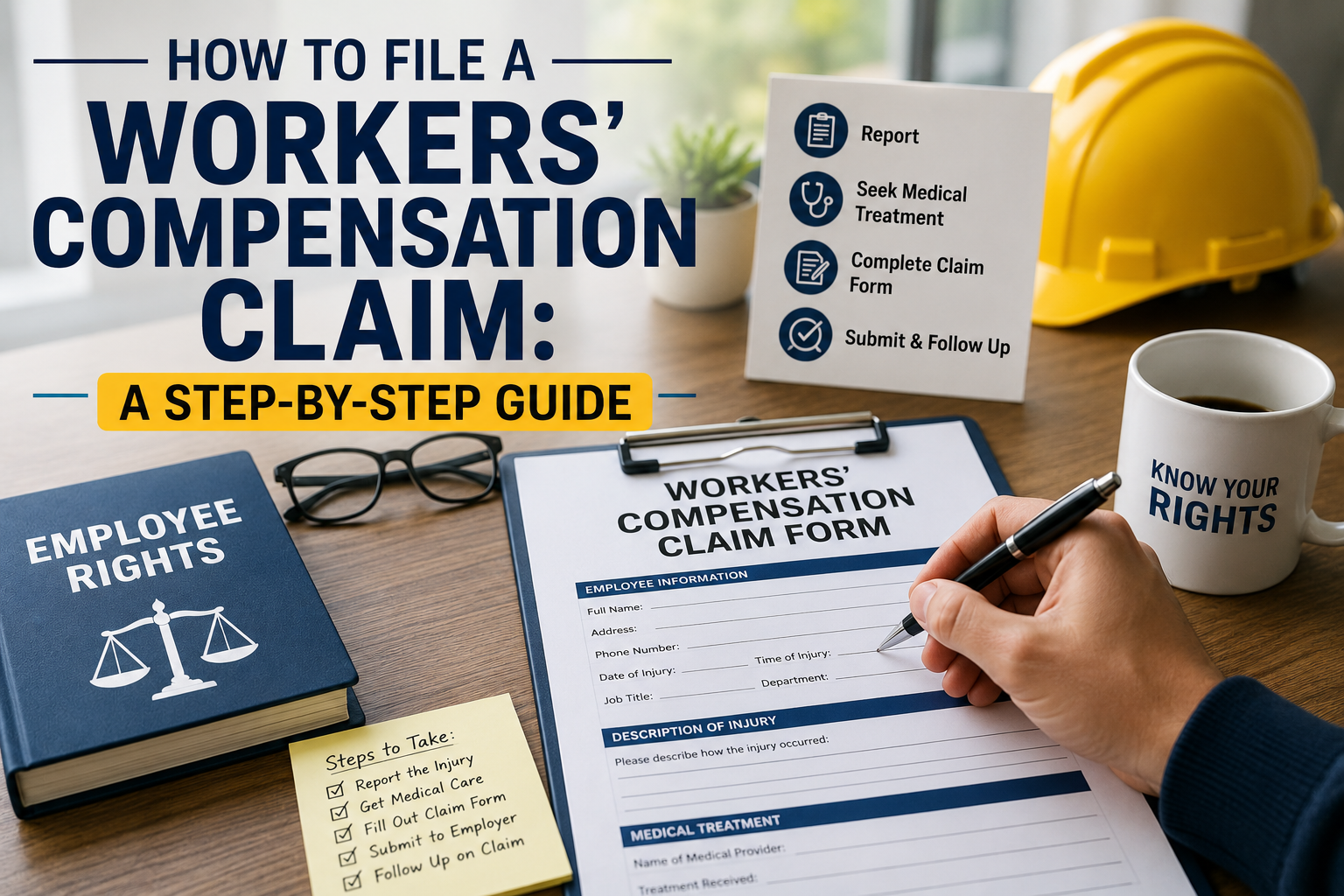
Workplace accidents can happen when you least expect them. Whether it’s a slip on a wet floor, a back injury from lifting heavy equipment, or an illness caused by long-term exposure to harmful substances, a work-related injury can create both physical and financial stress.
Fortunately, many employers carry workers’ compensation insurance to help employees recover without worrying about immediate medical expenses or lost income. While the exact rules vary by country, state, or province, the overall purpose of workers’ compensation remains the same: to provide financial and medical support to employees who are injured while performing their job duties.
This guide explains the basic concepts of workers’ compensation, how the claims process generally works, and what employees should know after a workplace injury.
What Is Workers’ Compensation?
Workers’ compensation is a type of insurance that provides benefits to employees who suffer injuries or illnesses directly related to their work. Instead of filing a lawsuit against their employer for most workplace accidents, employees can usually receive benefits through the workers’ compensation system.
Depending on local laws, these benefits may include:
- Medical treatment
- Partial wage replacement
- Rehabilitation services
- Disability benefits
- Compensation for permanent impairments
- Death benefits for eligible family members in fatal workplace accidents
The purpose of the system is to help injured workers recover while providing employers with a structured process for handling workplace injury claims.
Who Is Eligible for Workers’ Compensation?
Eligibility depends on the laws where you work, but employees generally qualify when:
- They are legally recognized as employees.
- The injury or illness happened while performing work-related duties.
- The injury is reported within the required time limits.
- The medical condition is supported by appropriate documentation.
Independent contractors, freelancers, and self-employed individuals may not automatically qualify unless they are covered under a specific insurance policy or local law.
Common Workplace Injuries Covered
Workers’ compensation can apply to many different situations, including:
Slips, Trips, and Falls
Falls remain one of the most common workplace accidents across many industries.
Repetitive Stress Injuries
Repeated motions such as typing, lifting, or operating machinery may lead to conditions like tendonitis or carpal tunnel syndrome.
Back and Neck Injuries
Heavy lifting, awkward movements, or physically demanding work can result in muscle strains or spinal injuries.
Machinery and Equipment Accidents
Construction sites, factories, and warehouses often involve equipment that can cause serious injuries if proper safety procedures are not followed.
Occupational Illnesses
Some workers develop illnesses after long-term exposure to chemicals, dust, excessive noise, or other workplace hazards.
What Benefits Can Workers Receive?
The specific benefits depend on local regulations and the severity of the injury. In many workers’ compensation systems, employees may receive one or more of the following:
Medical Care
Necessary medical treatment related to the workplace injury is often covered, including:
- Doctor visits
- Hospital care
- Surgery
- Diagnostic testing
- Prescription medications
- Physical therapy
Wage Replacement
If an injury prevents someone from working, workers’ compensation may replace a portion of lost income during recovery.
Rehabilitation Services
Some injured employees require physical rehabilitation or vocational training before returning to work.
Disability Benefits
If an injury causes temporary or permanent disability, additional compensation may be available depending on applicable laws.
How Does the Claims Process Usually Work?
Although procedures differ by jurisdiction, the process generally follows these steps:
1. Report the Injury
Notify your employer as soon as possible after the accident or once you become aware of a work-related illness.
2. Seek Medical Treatment
Receive medical attention immediately. Be sure to explain that the injury happened during work activities if required by your local workers’ compensation process.
3. Complete the Required Forms
Many jurisdictions require official claim forms to begin the workers’ compensation process. Completing paperwork accurately can help avoid unnecessary delays.
4. Keep Important Records
Maintain copies of:
- Medical reports
- Bills
- Employer communications
- Accident reports
- Wage information
- Claim correspondence
Organized records can be valuable if questions arise during the review process.
5. Follow Medical Advice
Attend follow-up appointments and follow your healthcare provider’s treatment plan. Missing appointments may affect your recovery or the progress of your claim.
Why Some Claims Are Denied
Not every workers’ compensation claim is approved. Common reasons for denial include:
- The injury was reported too late.
- There is insufficient medical evidence.
- The injury did not occur during work-related duties.
- Required paperwork is incomplete.
- The employer or insurance company disputes the claim.
A denial does not always mean the process is over. Many workers have the opportunity to request a review or appeal under the applicable legal procedures.
Workers’ Compensation vs. Personal Injury Claims
People often confuse workers’ compensation with personal injury lawsuits, but they serve different purposes.
Workers’ compensation generally provides benefits regardless of who caused the workplace accident, while personal injury cases usually require proving that another party was legally responsible for the harm.
In some situations, an injured worker may also have rights against a third party that contributed to the accident. The availability of those claims depends on the specific facts and local law.
Tips After a Workplace Injury
If you’re injured at work, these practical steps can help protect your interests:
- Report the injury promptly.
- Seek medical attention without delay.
- Keep copies of all documents.
- Follow your treatment plan.
- Stay in contact with your employer when appropriate.
- Ask questions if you do not understand the claims process.
- Review official government resources for information specific to your location.
Frequently Asked Questions
Does workers’ compensation cover every workplace injury?
Coverage depends on local laws, the circumstances of the incident, and whether the injury meets the legal requirements for compensation.
Can I choose my own doctor?
Some jurisdictions allow employees to choose their healthcare provider, while others require treatment from approved medical professionals.
How long does a workers’ compensation claim take?
The timeline varies depending on the severity of the injury, available medical evidence, and the procedures followed in your jurisdiction.
Can I return to work while recovering?
In some cases, employees may return to light-duty or modified work if recommended by their healthcare provider and approved by their employer.
Final Thoughts
A workplace injury can be overwhelming, but understanding the basics of workers’ compensation can make the process easier to navigate. Reporting injuries promptly, seeking appropriate medical care, maintaining accurate records, and following official procedures can improve the chances of a smoother claims experience.
Because workers’ compensation laws differ across countries, states, and regions, always refer to your local workers’ compensation authority or consult a qualified legal professional for advice about your specific situation. This article is intended for general educational purposes only and should not be considered legal advice.